
Finding lung cancer at an early stage means finding the disease when it is easier to treat—and even cure. Combined with advances in research, early detection can make all the difference in your lung cancer experience and long-term quality of life.
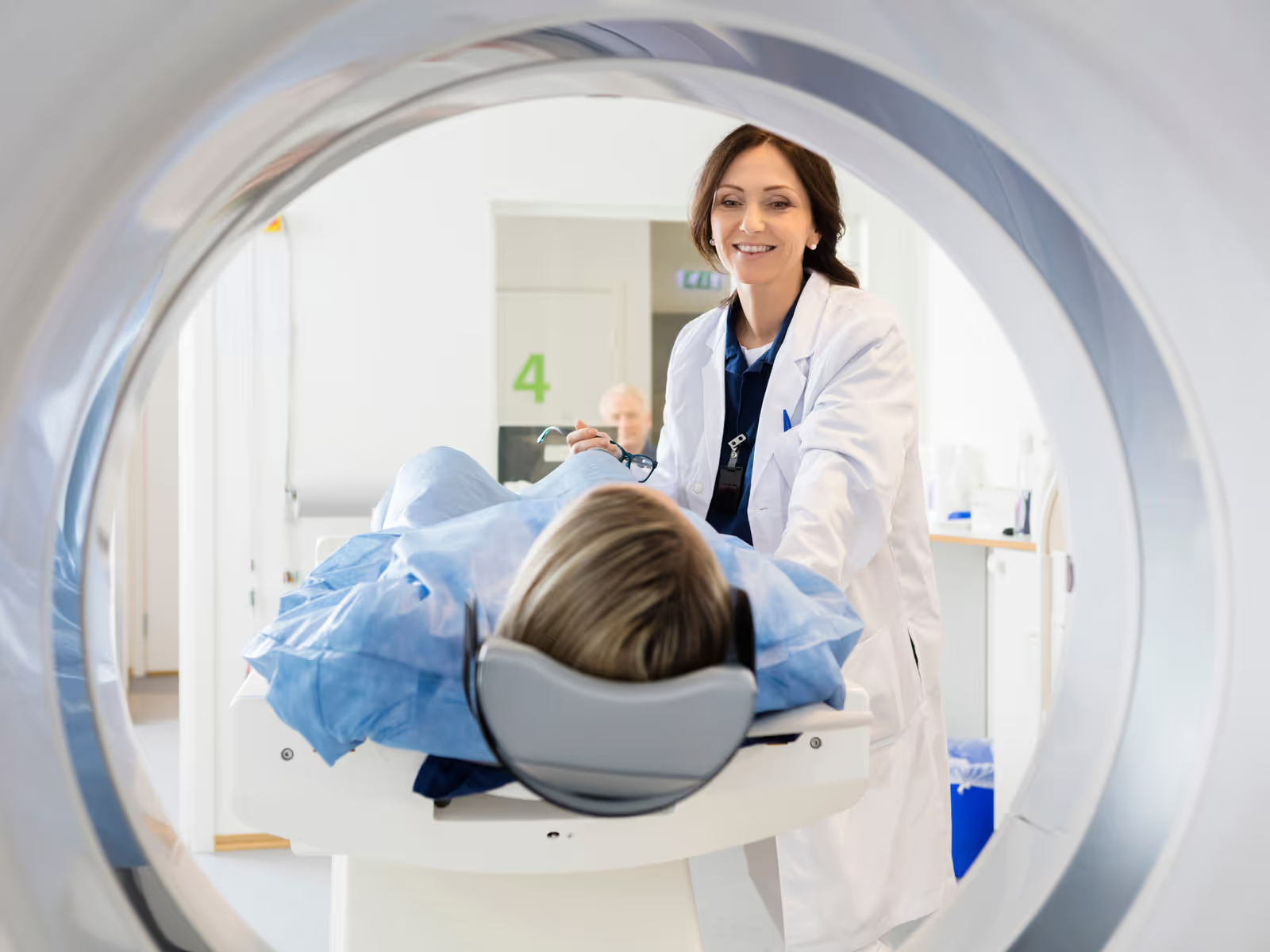
Lung cancer screening involves testing with a low-dose CT (LDCT) scan.
The key to detecting lung cancer early is routine doctor visits and, for those at risk, annual screening which can find lung cancer even before symptoms occur. The procedure itself is painless and takes less than 30 seconds. Screening is currently the only proven method of detecting lung cancer early.
80%
Lung cancers detected in an early stage through screening have a survival rate of up to 80%. (Henschke, C. et al. Radiology, 2023)
62,000
If all eligible Americans were screened, an estimated 62,000 lives could be saved over 5 years. (Bandi, P. et al. JAMA, 2025)
18%
The percent of eligible patients who receive lung cancer screening is low compared to other cancer screenings, at around 18%. (American Lung Association, State of Lung Cancer, 2025)
How to detect lung cancer early
Lung cancer screening is key to early detection. An LDCT is the only currently approved method proven to find lung cancer early.
Lung cancer screening criteria
The most recent screening guidelines recommend annual lung cancer screening for people who are:
- Between ages 50 and 80*, and
- Have a 20-pack-year smoking history or greater, and
- Currently smoke or quit within the past 15 years.
*Note: Medicare covers ages 50 to 77.
Use this simple tool to calculate your pack years
While smoking is the primary risk factor for lung cancer, it is not the only one. A personal history of cancer, chronic lung disease, a family history of lung cancer, and/or exposure to environmental or workplace toxins can also increase your risk of developing lung cancer. If you’re active-duty military or a veteran, your risk may be higher as well if you’ve been exposed to burn pits or other toxins.
Understanding the risk factors
A risk factor is something that increases your chance of developing a disease. When it comes to lung cancer, some people are at more risk than others. If you have any of the following risk factors, it is important to ask your healthcare team about screening and to pay attention to any symptoms you develop. Early detection of lung cancer saves lives—and could save yours.
Learn the risk factors for lung cancer
Cigarette smoking
Cigarette smoking is a primary risk factor for lung cancer. If you meet the pack-year criteria, Medicare and most private insurers will cover annual lung cancer screening.
Workplace exposure
Workplace exposure simply means that this happened while you were on the job. Exposure to radon, asbestos, diesel fumes, arsenic, coal products, nickel compounds, and secondhand smoke are all risk factors for lung cancer.
Environmental exposure
Environmental exposure happens when you come into contact with something in the air, water, food, or soil that may be harmful to your health.
Family history of lung cancer
You are considered to have a family history of lung cancer if any of your relatives—such as parents, grandparents, siblings, aunts, uncles, or cousins—have been diagnosed with the disease. Relatives by marriage are not included in this.
Chronic lung diseases
Chronic lung diseases, including emphysema, pulmonary fibrosis, and COPD, are associated with a higher risk for lung cancer.
Early detection saves lives.
Studies have shown that screening those at high risk with LDCT scans before symptoms are present can find lung cancer early, when it is easier to treat and more likely to be cured. Lung cancer screening can also show if you have other conditions or diseases that need to be treated.
Lung cancer screening greatly increases the chance of early detection—and it’s backed by data.
When lung cancer is detected through screening, the likelihood of catching lung cancer in the early stages increases to over 50%.
5-year survival rates more than double when lung cancer is caught early or at the localized stage.
For additional resources about lung cancer and staging, please explore our educational publications.
Find a screening center in GO2’s Center of Excellence Network
You should always be screened for lung cancer at a center that follows approved guidelines for lung cancer screening. GO2 for Lung Cancer has a large network of designated Centers of Excellence (COE) in Screening. This designation demonstrates the facility is committed to high-quality screening standards. This ensures that low-dose CT screening is carried out safely and efficiently.
Our COE network includes nearly 600 facilities across the country. Use the tool below or call our Helpline at 1-800-298-2436 to find a quality screening center near you.
If you are a healthcare provider interested in joining GO2's Center of Excellence network, learn more about our benefits and designations.
COE Designations
- Lung Cancer Screening - Provides a low-dose CT screening program that follows the National Comprehensive Cancer Network (NCCN), U.S. Preventive Services Task Force (USPSTF), or Centers for Medicare & Medicaid Services (CMS) criteria and uses a structured process to manage patient follow-through.
- Cancer Care - Provides standard cancer services within medical, radiation, and surgical oncology and pathology.
- Incidental Pulmonary Nodules - Provides a structured program for patient follow-up and reporting across the health system when a lung nodule is found on imaging other than a lung screening.
- Biomarker Testing - Ensures access to comprehensive biomarker testing (molecular and immune biomarkers with next-generation sequencing technology) in all patients who are eligible to determine whether targeted therapies or immunotherapies are a treatment option.
Questions to ask if you’re not near a designated Center of Excellence in Screening or other accredited cancer center
What test do you use to screen for lung cancer?
The test should be an LDCT scan, which means that the radiation amount is much lower than in a regular CT scan.
Who will interpret the scan?
It is best for a radiologist with experience reading and reporting LDCT scans of the chest to be the one to interpret your scan.
What guidelines will be used if something is found?
Several professional organizations have developed clinical guidelines specifically for lung cancer screening which centers should consistently follow.
What will happen if something is found?
Your screening program’s team should work with your primary care provider to arrange any follow-up tests or care that you need, preferably from a multidisciplinary team of healthcare providers who will work together to evaluate and treat you.
Who is eligible for screening in your program? Annual screening is recommended for individuals whose age and smoking history place them at higher risk for lung cancer. Learn if you or a loved one may be at risk.
Symptoms of lung cancer
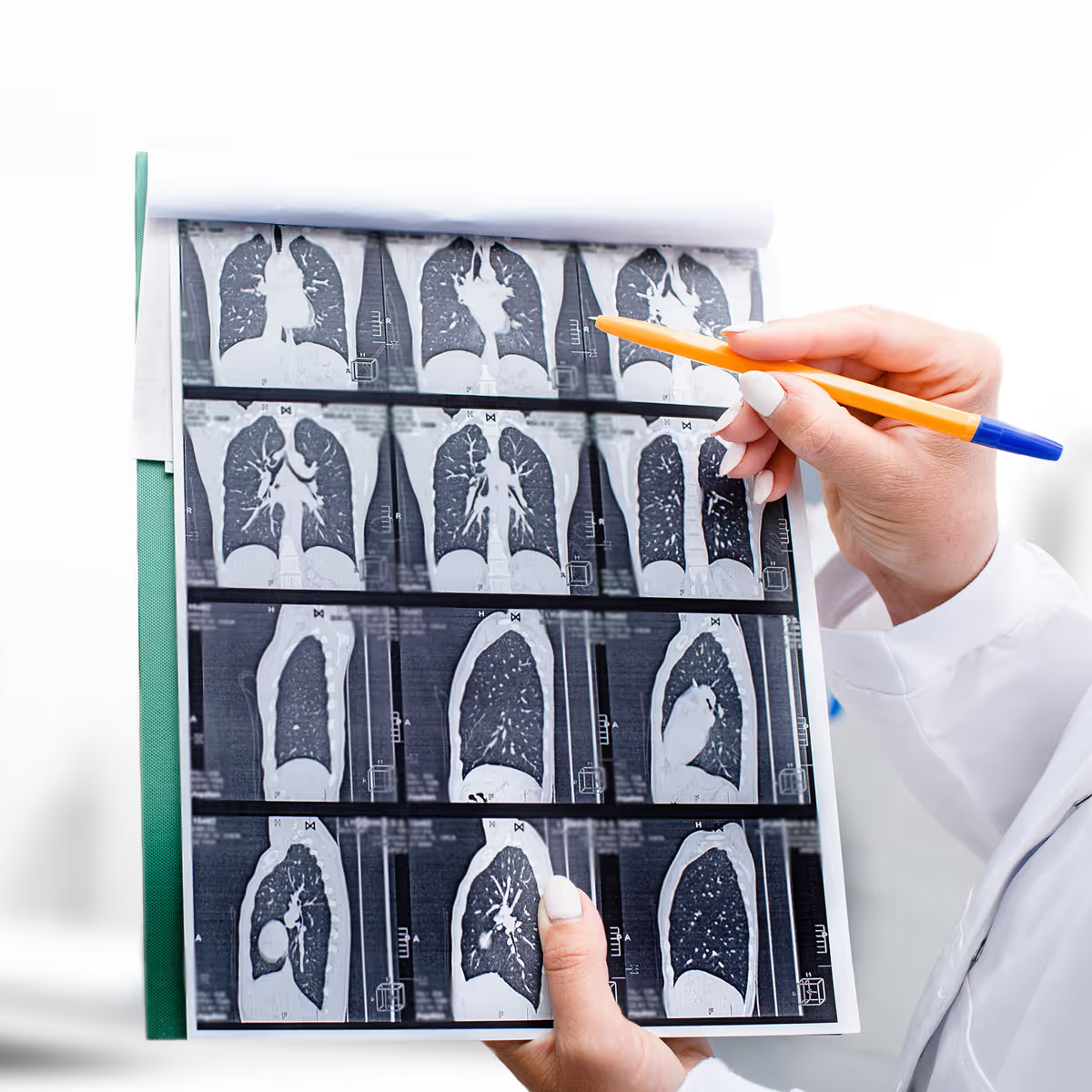
Part of the reason why early detection of lung cancer is so hard is that there are often no symptoms until the disease has spread. That’s because there are very few pain receptors in the lungs. When symptoms do occur, they can vary. Depending on the type of lung cancer, location, and size of the tumor, people may experience different symptoms.
Another challenge in diagnosing lung cancer early is that some lung cancer symptoms are similar to other illnesses. These can range from coughing and fatigue to appetite changes and weight loss—though these symptoms typically present at later stages of the disease. Because lung cancer is so hard to detect early, it’s important to talk to your healthcare team about lung cancer screening if you think you might be at risk.
Diagnostic tests
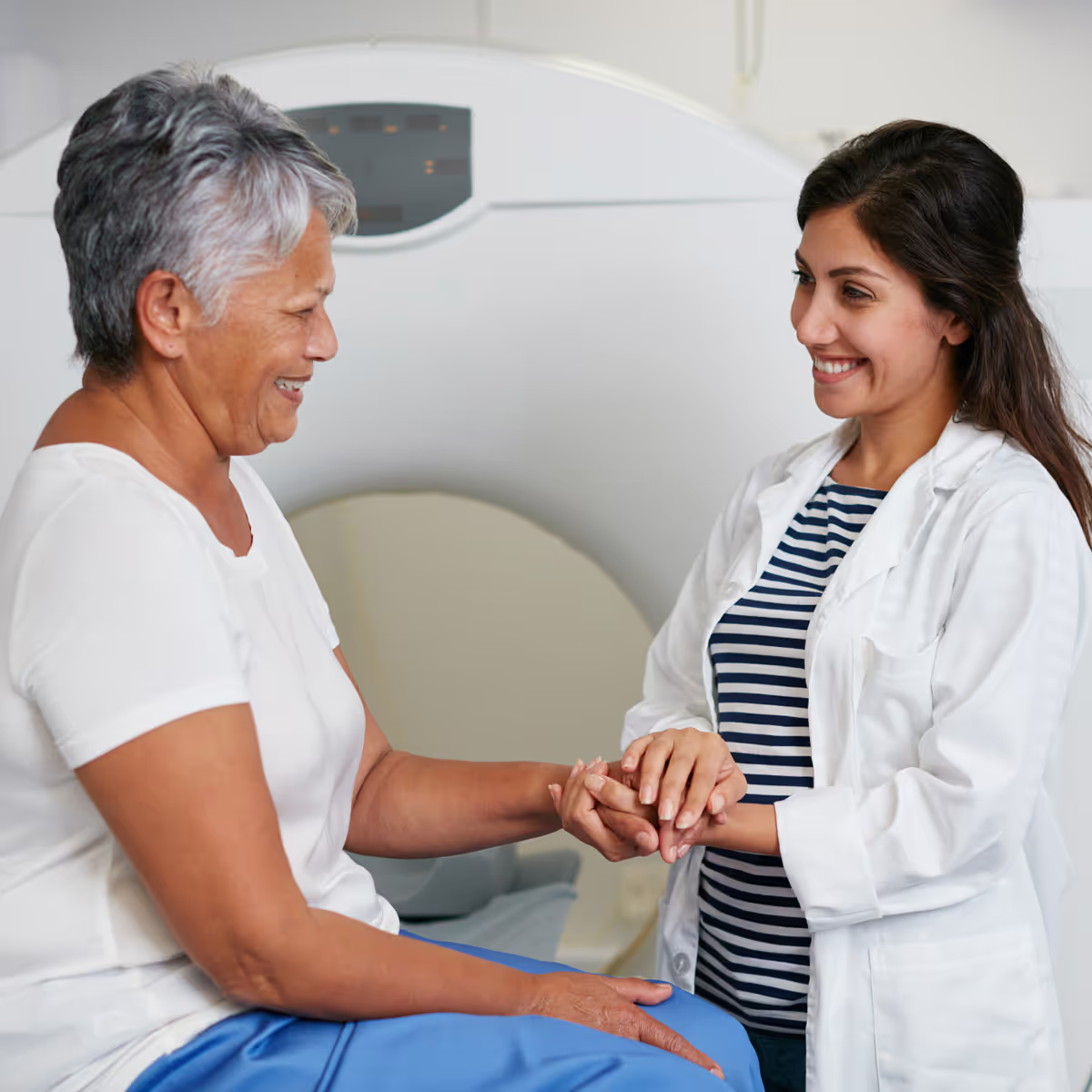
When lung cancer is suspected, a series of tests is needed to diagnose lung cancer. Scans give a detailed view of the body to see the areas affected by cancer. The most common and useful scans for lung cancer diagnosis are diagnostic CT scans, PET scans, and less commonly, MRIs.
Other diagnostic tests provide additional information. A biopsy can confirm whether cancer is present and what type. Comprehensive biomarker testing will look more at the characteristics of lung cancer that are specific to that person. Together, these tests will help your healthcare team better understand your lung cancer to develop the right treatment plan for you.
Frequently asked questions
What is screening?
Screening checks to see if there is disease in people who do not have symptoms.
What is lung cancer screening, and why is it important for the early detection of lung cancer?
Lung cancer screening is done with a low-dose CT scan (LDCT). The CT scanner takes 3D x-ray pictures of your lungs. An LDCT is performed using very low amounts of radiation, but it is strong enough to detect something as small as a grain of rice. This method of early detection for lung cancer can help find lung cancer early, when it is more easily treated and possibly cured.
What does “early-stage lung cancer” mean?
An “early-stage” lung cancer is found only in 1 lung and has not spread. For resources about lung cancer and staging, please explore our educational publications.
Am I eligible for lung cancer screening?
If you are between the ages of 50-80, either currently smoke or have quit within the last 15 years, and have a significant smoking history of at least 20 pack years, you may qualify for screening. Learn if you should be screened.
How do I get screened?
Call your healthcare provider to discuss your lung cancer risk and whether you need an order for lung cancer screening.